

Top 3 Safest and Fastest Ways to Treat Insect Bites and Reduce Swelling and Itching
Humid weather or outdoor trips are times when mosquitoes, paederus beetles, bees, or bedbugs can easily “attack” your skin. When bitten by insects, the body releases histamine, causing intense swelling, burning, and itching. However, many people scratch vigorously due to the itch, accidentally damaging the skin and leading to infection risk as well as ugly dark scars. Applying the correct insect bite treatment methods from the very first minutes will help soothe the skin quickly and ensure safe recovery.
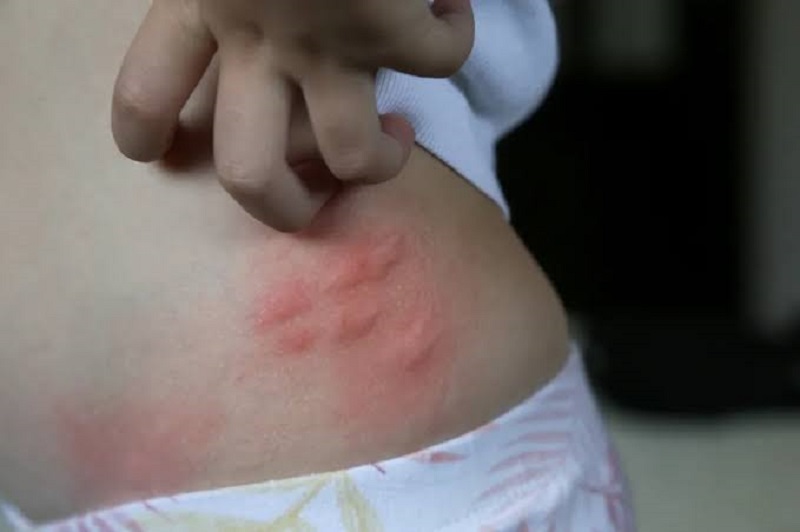
Learn how to treat swollen, itchy, and red insect bite marks on the skin of the hands.
Quick First-Aid Principles When Bitten by Insects
Before applying any cream or folk remedy, the initial first-aid steps determine up to 50% of the wound’s recovery speed.
- Wash the bite cleanly with mild soap and clean water Immediately after noticing the bite, place the affected skin under a gentle stream of running water and wash with mild antibacterial soap. This action helps remove bacteria as well as some of the venom remaining on the skin surface, preventing the risk of inflammation and infection.
- Apply a cold compress for 10–15 minutes Use an ice pack or a clean cloth wrapped around ice and apply it to the injured area for about 10–15 minutes. The low temperature constricts small blood vessels, reduces blood flow to the wound, and temporarily numbs sensory nerves, providing instant relief from swelling and burning.

Apply a cold compress to a swollen and itchy insect bite to reduce swelling.
- Absolutely do not scratch or scrape The itching sensation from a swollen insect bite is very uncomfortable, but scratching will tear the protective skin barrier. This creates favorable conditions for staphylococcus and streptococcus bacteria on the fingernails to invade, causing purulent dermatitis or even secondary infection.
Top Effective Home Treatments for Insect Bites
Depending on the severity of the injury and the materials available, you can flexibly apply the following methods ranging from natural to medical:
1. Use natural home remedies for insect bites For mild mosquito or ant bites with moderate swelling and itching, you can use natural remedies with household ingredients such as:
- Baking soda: Mix baking soda with a little water in a 3:1 ratio to form a thick paste, apply it to the bite for about 10 minutes, then rinse clean. The mild alkalinity of baking soda helps neutralize the acidic environment created by insect venom.
- Fresh aloe vera gel: Apply the clear gel from the aloe leaf directly onto the affected skin. Aloe vera contains glycoprotein compounds that are highly effective at reducing inflammation and soothing the burning sensation.
- Tea tree or peppermint essential oil: Dilute 1–2 drops of essential oil with a carrier oil (such as coconut oil or olive oil) and gently dab onto the bite. Tea tree oil has natural antiseptic properties, while peppermint oil provides a cooling and pleasant sensation. (Note: Do not use on broken or scraped skin and avoid use on newborns.)
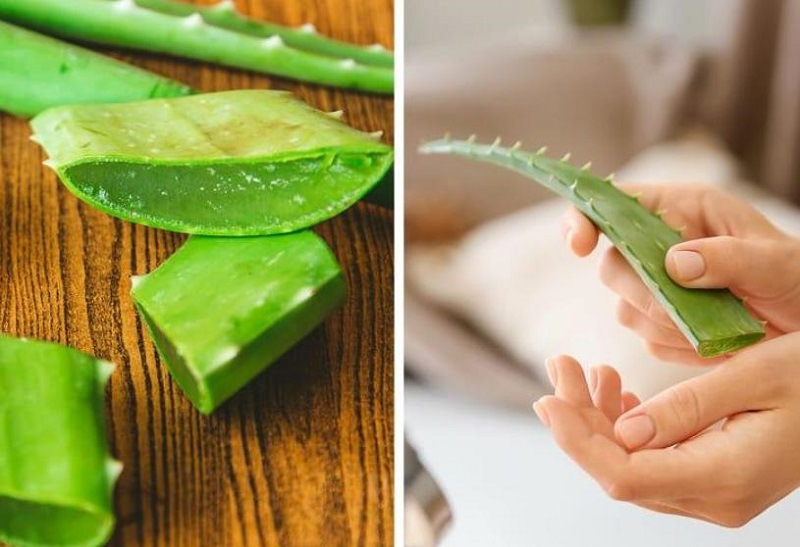
Natural insect bite remedies using baking soda, aloe vera, and essential oils.
2. Use over-the-counter insect bite creams This group of topical insect bite medications is suitable for larger swollen areas, mild burning, intense itching, or signs of slight fluid discharge:
- 1% Hydrocortisone cream: This is a mild-concentration corticosteroid cream that can rapidly reduce inflammation, redness, and itching. Apply a thin layer 1–2 times per day (do not use continuously for more than 7 days).
- Calamine lotion: Contains zinc oxide; apply evenly to the affected skin to cool the skin, limit fluid secretion, and soothe persistent itching. The product is safe for children.
- Aqueous cream or Methylene blue solution: Suitable when the bite shows mild fluid discharge or when bitten by a paederus beetle; helps disinfect and dry the injury quickly.
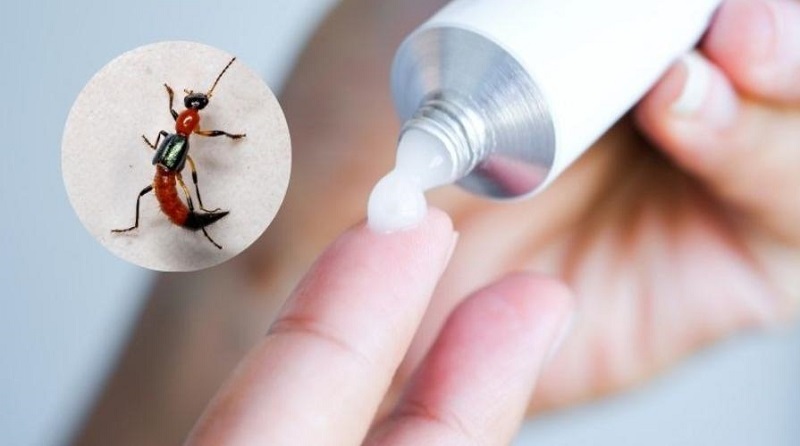
Topical insect bite medications that effectively reduce itching and fight inflammation.
3. Use oral supportive medication In cases of multiple bites at the same time, intense itching that causes insomnia, or a tendency toward allergies, a doctor or pharmacist may prescribe oral antihistamines (such as Loratadine, Cetirizine, or Fexofenadine). The medication suppresses the allergic reaction from inside the body, helping limit itching and providing greater comfort.
- Note: Use according to the dosage instructions on the packaging or as directed by a doctor/pharmacist.
When Does an Insect Bite Require Immediate Medical Attention?
Most bites heal on their own after a few days. However, you should go to a hospital or dermatology clinic immediately if any of the following warning signs appear:
- Systemic allergic reaction / Anaphylactic shock: Difficulty breathing, chest tightness, swollen lips, swollen face, dizziness, or vomiting after being bitten by a bee, centipede, or spider.
- Signs of infection: The bite accumulates yellow pus, the surrounding red area spreads, the skin feels hot and burning, or there are symptoms of high fever and swollen lymph nodes.
Proactively treating bites correctly from the start is the key to eliminating discomfort and protecting the skin from the risk of dark scars. Always keep disinfectant soap and soothing cream ready in your family medicine cabinet, and carefully monitor the body’s reaction for timely handling.